Reviving Uzbek Architectural Identity in Modern Design
Architecture in Uzbekistan stands at a fascinating crossroads. The Soviet era left a legacy of standardized housing blocks and institutional buildings that, while functional, severed the connection between built form and local identity. Today, a new generation of architects is looking back to move forward — studying the proportional systems of Timurid mosques, the climate-responsive genius of traditional courtyard houses, and the rich craft traditions of ganch carving, ceramic tilework, and wood joinery.
At ANK, we believe that modern design does not mean abandoning the past. Our recent projects integrate CNC-milled geometric screens inspired by Registan tile patterns, rammed-earth walls that echo centuries-old construction methods, and courtyard plans that provide natural ventilation in Tashkent's extreme continental climate.
The courtyard, or havli, is perhaps the most powerful spatial concept we draw from. For millennia, Central Asian domestic architecture has been organized around an enclosed outdoor room — a space that is simultaneously private and open to the sky, shaded and sun-drenched, intimate and generous. In our Samarkand Heritage Hotel, the central courtyard is not merely a nostalgic gesture; it is the building's environmental engine, channeling prevailing breezes through the guest wings and creating a microclimate 8–10°C cooler than the surrounding streets during peak summer.
Material authenticity matters deeply to us. When we specify ganch plasterwork, we work with master craftsmen from the Tashkent School of Traditional Arts who have inherited techniques passed down through dozens of generations. These artisans can produce geometric patterns of extraordinary complexity — girih tessellations with ten-fold rotational symmetry — using nothing more than a compass, a straightedge, and decades of muscle memory. Incorporating their work into contemporary buildings is not a decorative afterthought; it is a statement that living craft traditions have a central place in modern construction.
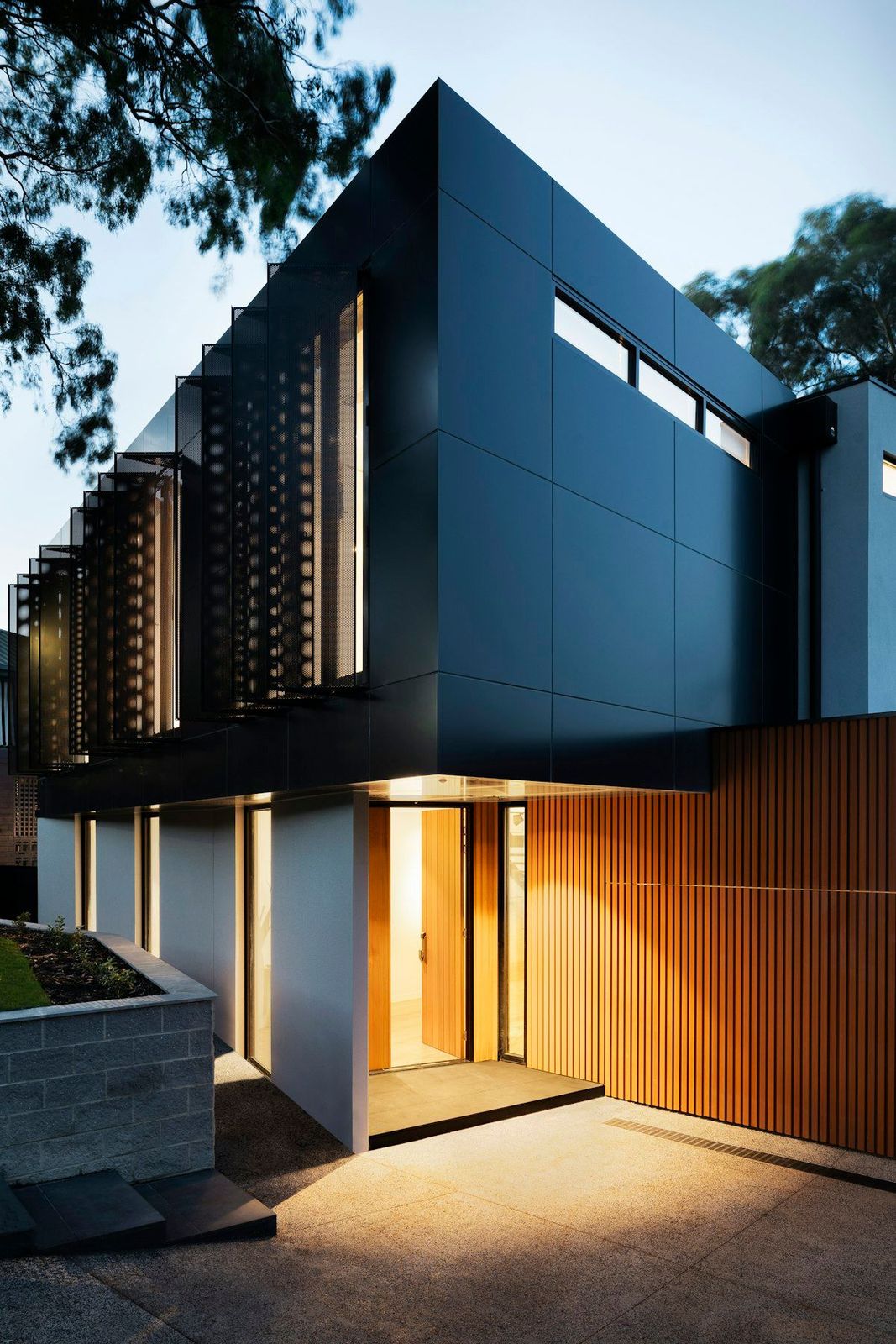
We are equally interested in reinterpreting traditional materials through new technologies. Our research partnership with the Tashkent Polytechnic Institute has explored parametric adaptations of Islamic geometric patterns, using computational tools to generate screen designs that respond to solar angles at specific facades. The result is a mashrabiya that performs better than a fixed pattern while remaining visually rooted in the region's decorative vocabulary.
The question of identity in architecture is never settled. It evolves with each project, each conversation with a client, each encounter with a site. What excites us most is the growing confidence among Uzbek clients and institutions to invest in buildings that look and feel like they belong here — not imported wholesale from Dubai or Shanghai, but grown from the soil, climate, and culture of this extraordinary place.